During the Achaemenid era, in addition to the "drake" which was the official coin of the country and was minted in the royal mints, the subordinate kingdoms and cities of Greece and Asia Minor - which were under the control of Iran - and the rulers (satraps) that the emperor appointed for the states, even the generals and commanders The armies were allowed to individually mint coins from whatever metal they wished and suited their economic interests.
In normal times, the royal mints minted coins according to the need, but in times of war, the emperor appointed one of the commanders or satraps whom he trusted as his representative, and made him the agent of all war affairs, the formation of the army, and the provision of armor and weapons, and a considerable share of He left the royal treasury to him to mint coins in any place and in any amount he deems necessary and to create a war situation.
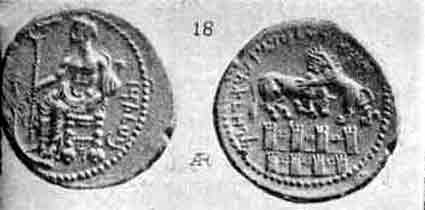
Maze was one of these satraps who minted coins in the city under his control. He, who was appointed as the ruler of Cilicia in 362 BC, created many mints and during his long reign in this land - which was the headquarters of Iranian forces - he used these coins to pay soldiers and mercenaries and ship expenses. was doing
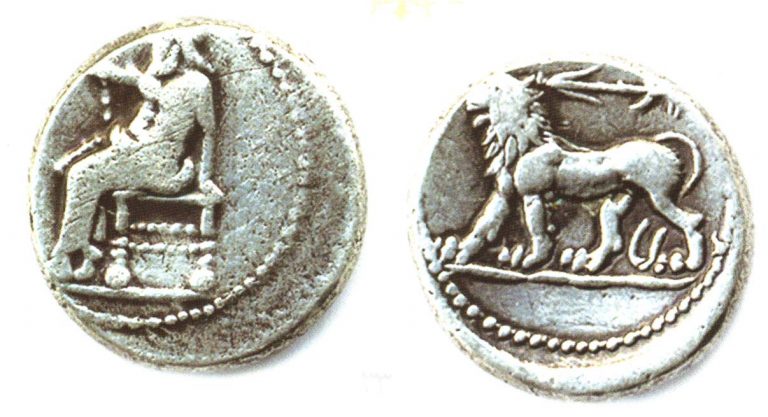
During the reign of Darius III, Maze became the governor of Babylon and minted coins there.
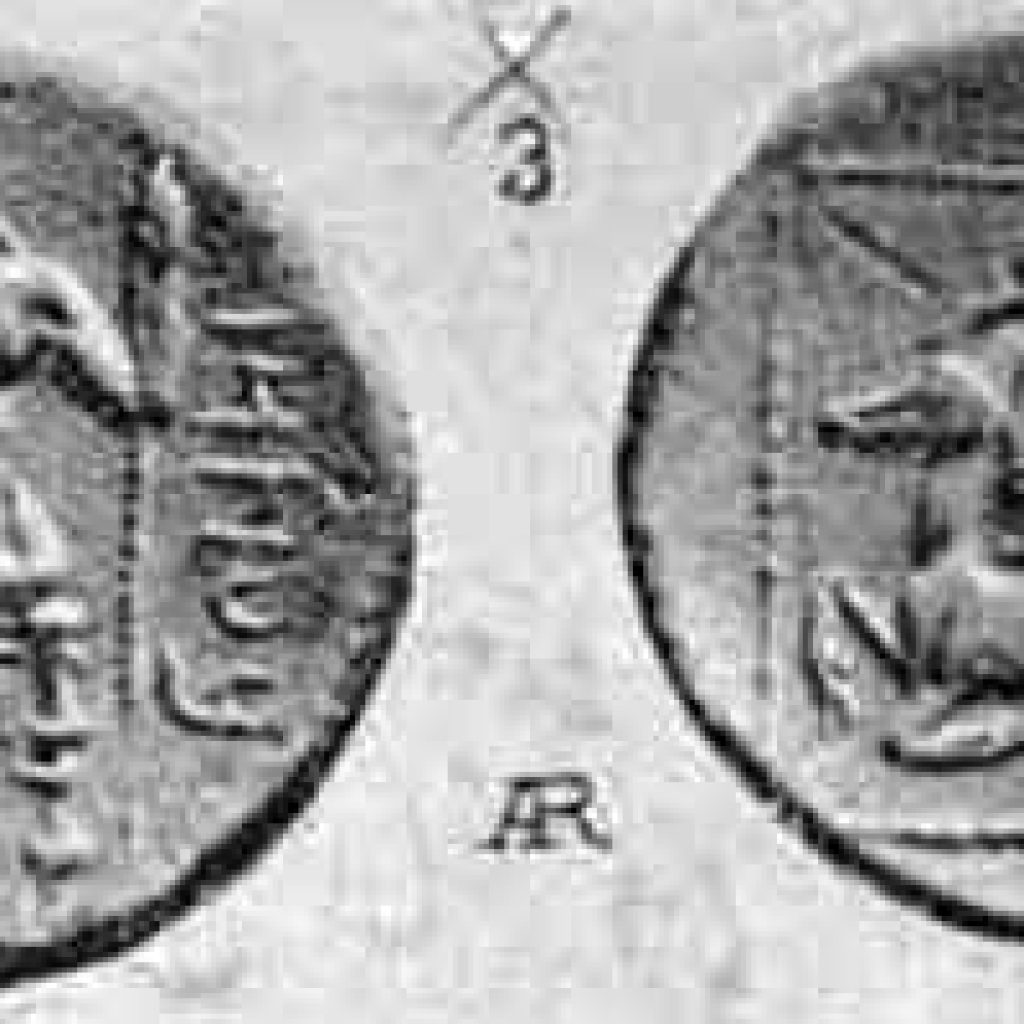
The coins of his era are very beautiful and interesting, and they have images of ships and ancient gods of Mesopotamia such as "Bel". But the most important of these coins is the one with the symbol of lion and sun on its back. This coin proves that the ancient symbol of lion and sun has a very long and ancient history in this land.